
 Tiếng Việt
 한국어
 Русский
 简体中文
Surgery and perioperative care for dogs and cats
The veterinarian considers surgery when the expected benefits are appropriate for the condition and the patient’s ability to tolerate it. Surgery may address the cause of a problem, collect a sample or improve function. Before deciding, ask what the operation aims to achieve, what alternatives are available and what results are realistic.
Purpose of the service and what to expect
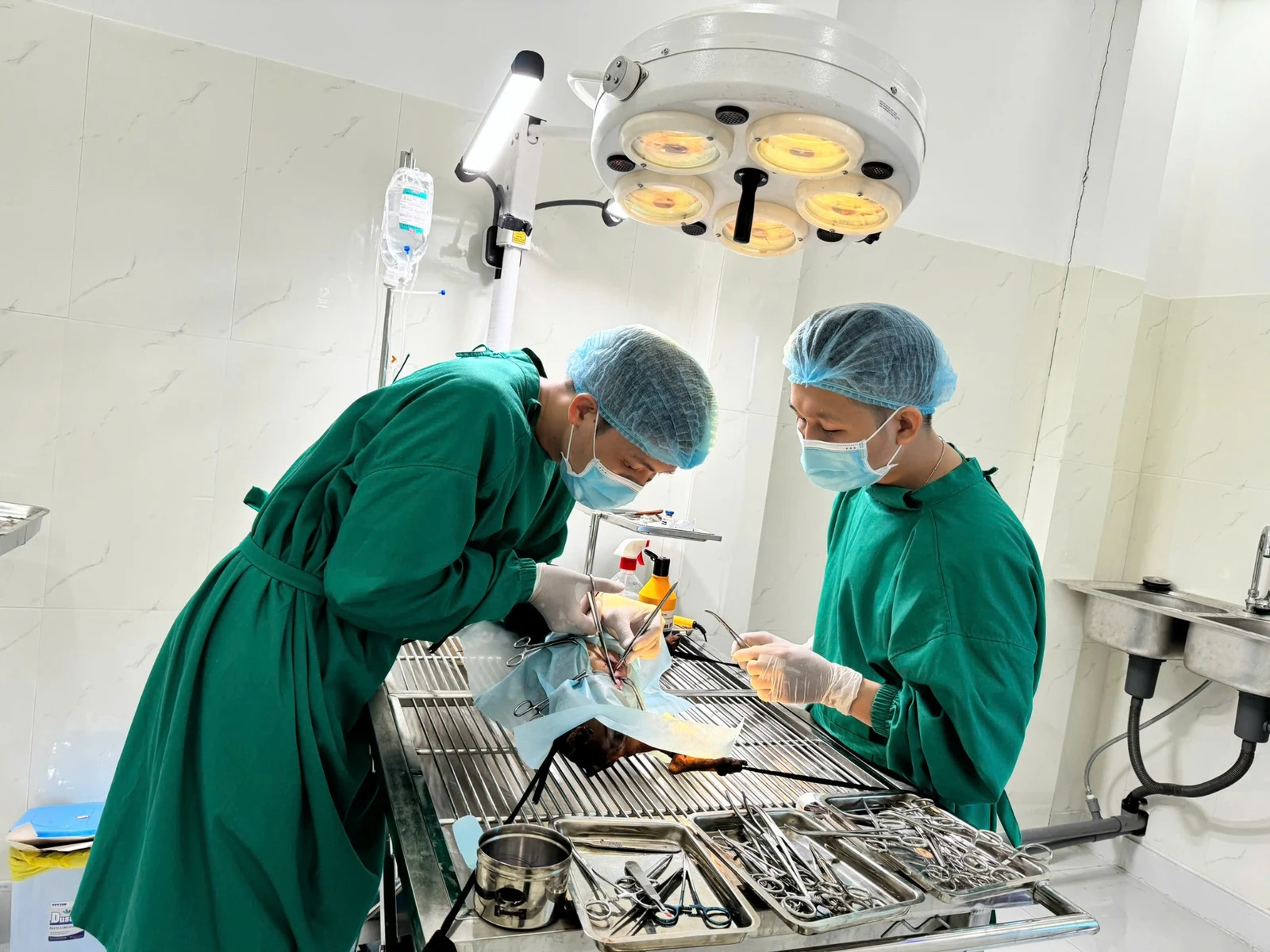
The veterinarian considers surgery when the expected benefits are appropriate for the condition and the patient’s ability to tolerate it. Surgery may address the cause of a problem, collect a sample or improve function. Before deciding, ask what the operation aims to achieve, what alternatives are available and what results are realistic.
The plan includes preanesthetic assessment, pain management, the procedure and monitoring during recovery from anesthesia. Underlying conditions, medications, body condition and urgency may change the approach. The veterinarian should explain the plan and how the team will contact you if it finds something unexpected.
Situations to discuss with the clinic
- Ask whether the operation addresses the cause, collects a diagnostic sample or relieves symptoms. The objective determines how to assess results and what you can expect.
- List pain medications, insulin, anticoagulants and herbal products. Ask before stopping or increasing a dose because each medication has specific requirements.
- The preanesthetic assessment includes a medical history, examination and tests as indicated. Normal results help the team plan, and some risk remains.
- An anti-licking device must keep your pet’s mouth away from the incision while allowing it to breathe and drink. Check the fit and keep it on when your pet is unsupervised.
- A follow-up also checks pain, infection, eating, drinking and function. Keep recommended follow-ups even if your pet has dissolvable stitches.
How to prepare
Bring prior test results, images and current prescriptions. Ask for specific food and water instructions, a contact number for surgery day and a plan for taking your pet home. Wait for instructions specific to your pet before shaving the area, adding pain medication or stopping regular medication.
What to monitor and what to expect afterward
Postoperative care focuses on pain management, protecting the incision and restoring function. The duration of activity restriction depends on the tissue treated. A small skin incision tells you little about internal healing or when your pet can resume running and jumping.
After surgery, contact a facility that can see your pet immediately if it has difficulty breathing, rapidly becomes weaker, has pale mucous membranes, continues bleeding, develops worsening pain or vomits repeatedly.
Appointments, scope and costs
When booking, give your pet’s species, age and current condition, and explain what you want to discuss. The clinic confirms which services it can provide, what needs an in-person assessment and the estimated cost for your case. If your pet needs additional tests or care, ask about the purpose and how decisions will be made. If you are traveling from Bình Chánh, District 8 or Long An, send the records and confirm before you leave. Check the actual distance and travel conditions before setting out.
Book a visit and get guidance from DR.VET
The veterinary team at DR.VET helps you understand your pet’s condition and choose suitable care. Call 0907 675 123 with your pet’s species, age, main concern and what you need help with. The clinic is at 1391 Văn Tiến Dũng, Hamlet 5, Bình Hưng Commune, Ho Chi Minh City. Appointment times, what the clinic can provide and costs depend on the case. If you are traveling a long distance, call before you leave.
Further reading
These resources provide professional background. Your pet’s care plan should be based on its examination, medical history and circumstances. Consult the clinic before applying international guidelines to your pet or assuming a service is available.
Frequently asked questions
What should I prepare before contacting the clinic about surgery?
Bring prior test results, images and current prescriptions. Ask for specific food and water instructions, a contact number for surgery day and a plan for taking your pet home. Wait for instructions specific to your pet before shaving the area, adding pain medication or stopping regular medication.
How does the clinic determine the cost?
The cost depends on your pet’s needs, the scope of care and what is included. During your consultation, ask what each charge is for, whether it covers medication or monitoring and how the clinic will ask for approval if more care is needed. Rates may differ from case to case.
What should I monitor after the visit?
Postoperative care focuses on pain management, protecting the incision and restoring function. The duration of activity restriction depends on the tissue treated. A small skin incision tells you little about internal healing or when your pet can resume running and jumping.
Articles about this service
Find articles that can help you prepare for a discussion with DR.VET.
- Phẫu thuật kết hợp xương bằng nẹp vít ở chó mèo: chỉ định và hồi phục
- Phẫu thuật xuyên đinh nội tủy ở chó mèo: vai trò, giới hạn và theo dõi
- Phẫu thuật cắt bỏ chi ở chó mèo: quyết định điều trị và thích nghi
- Phẫu thuật trật xương bánh chè ở chó mèo: khi nào cần và chăm sóc ra sao?
- Phẫu thuật bệnh dây chằng chéo ở chó: hiểu TPLO và lựa chọn điều trị
- Cắt chỏm và cổ xương đùi FHO ở chó mèo: mục tiêu và phục hồi
- Phẫu thuật cắt và nối ruột ở chó mèo: chỉ định, nguy cơ và chăm sóc
- Phẫu thuật lấy dị vật tiêu hóa ở chó mèo: lựa chọn và theo dõi sau mổ
- Phẫu thuật lồng ruột ở chó mèo: bảo tồn, cắt nối và phòng tái phát
- Phẫu thuật lấy sỏi bàng quang ở chó mèo: chỉ định và phòng tái phát
- Tạo hình niệu đạo PU ở mèo đực: chỉ định, giới hạn và chăm sóc
- Phẫu thuật cắt bỏ nhãn cầu ở chó mèo: chỉ định và chất lượng sống
- Phẫu thuật mí mắt ở chó mèo: sửa quặm, vết rách và khối ở mí
- Phẫu thuật sa tuyến lệ mí thứ ba: bảo tồn tuyến và theo dõi cherry eye
- Phẫu thuật thoát vị cơ hoành ở chó mèo: ổn định và hồi phục hô hấp
- Mổ giãn xoắn và cố định dạ dày ở chó: cấp cứu khác dự phòng ra sao?
- Phẫu thuật viêm tử cung tích mủ ở chó mèo: cấp cứu và chăm sau mổ
- Mổ lấy thai ở chó mèo: chỉ định, chăm mẹ và theo dõi đàn con
- Phẫu thuật cắt lách ở chó mèo: chảy máu, khối lách và kết quả mô
- Phẫu thuật u tuyến vú ở chó mèo: phạm vi mổ và theo dõi bệnh học
- Quyết định phẫu thuật cho chó, mèo: hiểu đúng mục tiêu điều trị
- Phẫu thuật có kế hoạch và phẫu thuật khẩn ở chó, mèo khác nhau ra sao?
- Bệnh sử chó, mèo ảnh hưởng kế hoạch phẫu thuật thế nào?
- Thuốc cần báo trước phẫu thuật cho chó, mèo: lập danh sách đầy đủ
- Nhịn ăn trước mổ chó, mèo: vì sao cần hướng dẫn riêng?
- Chó, mèo đang ho trước lịch mổ: báo gì để đánh giá lại?
- Chó, mèo lớn tuổi có thể phẫu thuật không? Đánh giá theo sức khỏe
- Đánh giá trước gây mê cho chó, mèo: hiểu từng phần kiểm tra
- Kiểm soát đau quanh phẫu thuật chó, mèo: mục tiêu và cách theo dõi
- Người liên hệ khi chó, mèo đang mổ: chuẩn bị vai trò và thông tin
- Đọc nội dung đồng ý phẫu thuật cho chó, mèo trước khi ký
- Đón chó, mèo sau mổ: chuẩn bị lồng và chuyến xe về an toàn
- Hồi tỉnh sau gây mê ở chó, mèo: vì sao giờ đón có thể thay đổi?
- Chăm sóc vết mổ chó, mèo tại nhà: quan sát và bảo vệ đúng cách
- Vòng chống liếm sau mổ chó, mèo: chọn và kiểm tra khả năng bảo vệ
- Không gian nghỉ sau phẫu thuật chó, mèo: sắp xếp theo nhu cầu hồi phục
- Cho chó, mèo ăn lại sau gây mê: nhận kế hoạch theo từng bệnh nhân
- Chó, mèo nôn sau mổ: thông tin cần báo và dấu hiệu cần khám ngay
- Vết mổ chó, mèo sưng hoặc rỉ dịch: theo dõi và liên hệ đúng lúc
- Thuốc sau mổ chó, mèo: tổ chức dùng đúng khi có nhiều sản phẩm
- Kiểm tra vết mổ chó, mèo: vì sao còn cần khi không phải cắt chỉ?
- Phẫu thuật cho chó, mèo thừa cân: đánh giá nguy cơ và chuẩn bị hồi phục
- Nhà có nhiều chó, mèo: bảo vệ bệnh nhân vừa phẫu thuật
- Mẫu mô sau phẫu thuật chó, mèo: hiểu xét nghiệm mô bệnh học và kết quả
- Chi phí phẫu thuật chó, mèo: tính cả theo dõi và chăm sóc sau mổ
- Chó, mèo cần nội trú sau mổ khi nào? Hiểu mức theo dõi cần thiết
- Tái khám sau mổ chó, mèo khi triệu chứng đã hết: đánh giá phần còn cần hồi phục
- Phục hồi vận động sau mổ ở chó, mèo: tăng hoạt động theo đánh giá nào?
- Chuyển viện phẫu thuật cho chó, mèo: hồ sơ và bàn giao để tiếp tục điều trị
- Tư vấn phẫu thuật chó, mèo từ xa: gửi thông tin và chuẩn bị khám trực tiếp