

 Tiếng Việt
 한국어
 Русский
Diagnostic ultrasound for dogs and cats
Ultrasound shows soft tissues, structures and movement in the area examined. It is most useful when there is a clear clinical question. Images form one part of the medical record and are assessed together with the physical examination and other findings.
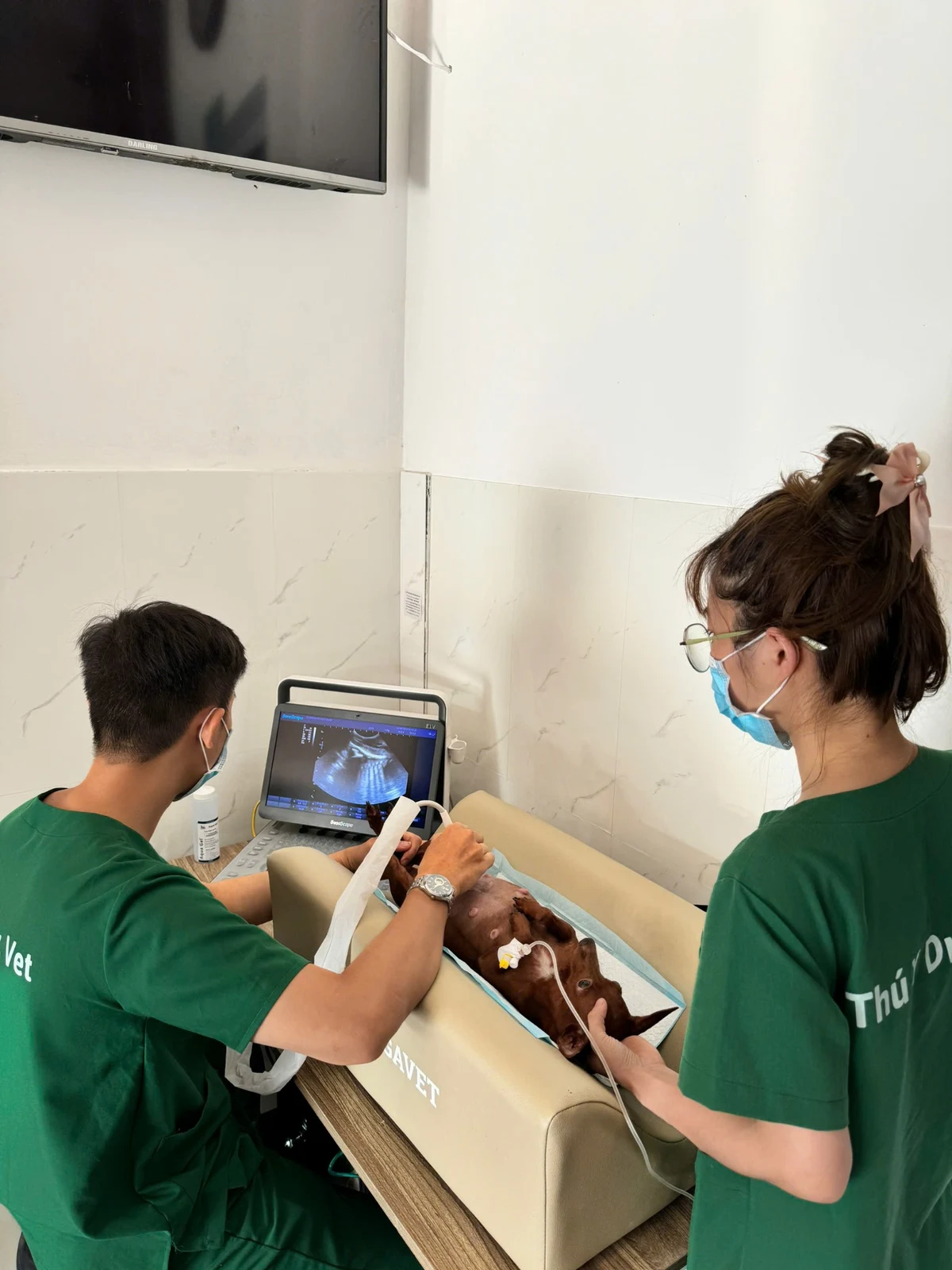
Purpose of the service and what to expect
Ultrasound shows soft tissues, structures and movement in the area examined. It is most useful when there is a clear clinical question. Images form one part of the medical record and are assessed together with the physical examination and other findings.
The veterinarian chooses the area based on symptoms and examination findings. Visibility depends on the organ, gas, how well the patient can cooperate and its clinical condition. When appropriate, the veterinarian combines ultrasound with lab tests, X-rays or targeted sampling to understand an abnormality.
Situations to discuss with the clinic
- An ultrasound should target an organ and answer a clinical question. A general scan is insufficient to establish what needs priority on examination.
- Fasting may reduce interference from food, but it is unsuitable in some cases. Young patients and those with diabetes need individualized food and water instructions.
- Patients with breathing difficulties need stabilization and minimal restraint first. A focused scan may be appropriate. Waiting for a routine ultrasound appointment could be dangerous.
- Fetuses may overlap or be difficult to visualize, so ultrasound cannot always provide an accurate count. An estimated count alone is insufficient to know whether delivery is complete.
- Bring prior reports, images and dates. Describe symptoms between scans to help distinguish true changes from differences in how the scan was performed.
How to prepare
Send records and the reason for the scan in advance. Food and water instructions, hair preparation and whether the bladder should be full depend on the case. Ask the clinic before forcing your pet to drink, preventing it from urinating or making it fast for an extended period. Report breathing difficulty, pain and underlying conditions so the clinic can advise on how to proceed.
What to monitor and what to expect afterward
Keep the report and any images you receive. Ask about the limits of the scan and how the results affect treatment. If symptoms continue, the veterinarian may recommend follow-up or a different test even if the scan found no clear abnormalities.
Breathing difficulties, collapse, inability to urinate or severe abdominal pain require urgent care. Seek care without waiting to follow routine ultrasound preparation instructions.
Appointments, scope and costs
When booking, give your pet’s species, age and current condition, and explain what you want to discuss. The clinic confirms which services it can provide, what needs an in-person assessment and the estimated cost for your case. If your pet needs additional tests or care, ask about the purpose and how decisions will be made. If you are traveling from Bình Chánh, District 8 or Long An, send the records and confirm before you leave. Check the actual distance and travel conditions before setting out.
Book a visit and get guidance from DR.VET
The veterinary team at DR.VET helps you understand your pet’s condition and choose suitable care. Call 0907 675 123 with your pet’s species, age, main concern and what you need help with. The clinic is at 1391 Văn Tiến Dũng, Hamlet 5, Bình Hưng Commune, Ho Chi Minh City. Appointment times, what the clinic can provide and costs depend on the case. If you are traveling a long distance, call before you leave.
Further reading
These resources provide professional background. Your pet’s care plan should be based on its examination, medical history and circumstances. Consult the clinic before applying international guidelines to your pet or assuming a service is available.
Frequently asked questions
What should I prepare before contacting the clinic about ultrasound?
Send records and the reason for the scan in advance. Food and water instructions, hair preparation and whether the bladder should be full depend on the case. Ask the clinic before forcing your pet to drink, preventing it from urinating or making it fast for an extended period. Report breathing difficulty, pain and underlying conditions so the clinic can advise on how to proceed.
How does the clinic determine the cost?
The cost depends on your pet’s needs, the scope of care and what is included. During your consultation, ask what each charge is for, whether it covers medication or monitoring and how the clinic will ask for approval if more care is needed. Rates may differ from case to case.
What should I monitor after the visit?
Keep the report and any images you receive. Ask about the limits of the scan and how the results affect treatment. If symptoms continue, the veterinarian may recommend follow-up or a different test even if the scan found no clear abnormalities.
Articles about this service
Find articles that can help you prepare for a discussion with DR.VET.
- Siêu âm bàng quang mèo tiểu máu: nhìn cấu trúc và tìm nguyên nhân
- Siêu âm chó nghi sỏi bàng quang: phối hợp X-quang và phân tích nước tiểu
- Siêu âm thấy cặn bàng quang chó mèo có phải nhiễm trùng hoặc sỏi?
- Mèo bí tiểu: siêu âm giúp gì và vì sao không được trì hoãn giải tắc?
- Thành bàng quang dày hoặc có khối trên siêu âm chó mèo: bước tiếp theo
- Siêu âm thận và niệu quản chó mèo: giãn, sỏi và giới hạn đánh giá chức năng
- Siêu âm thai chó: xác nhận thai, đánh giá theo thời điểm và chuẩn bị sinh
- Siêu âm thai mèo: chuẩn bị đi khám và hiểu đúng kết quả từng lần
- Siêu âm khi nghi thai ngừng phát triển ở chó mèo: cần đánh giá những gì?
- Siêu âm đếm thai chó mèo có chính xác không? Lập kế hoạch sinh an toàn
- Siêu âm chó mệt sau động dục: đánh giá nghi viêm tử cung tích mủ
- Mèo nghi viêm tử cung nhưng không có dịch: vai trò siêu âm và xét nghiệm
- Bụng to, tuyến vú thay đổi ở chó mèo: siêu âm phân biệt thai và bệnh tử cung
- Siêu âm sau sinh chó mèo khi nghi sót nhau hoặc viêm tử cung
- Siêu âm dị vật đường ruột chó mèo: khi X-quang chưa trả lời đủ
- Siêu âm lồng ruột chó mèo: nhận diện tổn thương và quyết định xử trí
- Siêu âm nghi viêm tụy chó mèo: kết hợp triệu chứng và xét nghiệm
- Siêu âm gan mật ở chó mèo vàng da: tìm vị trí vấn đề và bước xác nhận
- Siêu âm khối lách và dịch bụng ở chó mèo: khi nào cần cấp cứu?
- Siêu âm chó mèo ở đâu tại Bình Hưng? Chọn đúng vùng và mục tiêu khảo sát
- Siêu âm mèo sụt cân kéo dài: khảo sát bụng và xét nghiệm theo nguyên nhân
- Siêu âm chó bụng to: phân biệt dịch, cơ quan và những dấu cần cấp cứu
- Siêu âm khối bụng chó mèo trước phẫu thuật: vị trí, giới hạn và kế hoạch
- Siêu âm chó, mèo: chọn vùng khảo sát từ câu hỏi lâm sàng
- Siêu âm bụng chó, mèo: dữ liệu về cơ quan và giới hạn cần hiểu
- Siêu âm và X-quang chó, mèo: khác thông tin, bổ sung theo mục tiêu
- Nhịn ăn trước siêu âm chó, mèo: xác nhận theo vùng khảo sát và sức khỏe
- Siêu âm tiết niệu chó, mèo: chuẩn bị bàng quang an toàn theo chỉ dẫn
- Cắt lông vùng siêu âm chó, mèo: mục đích và cách chuẩn bị da
- Mèo sợ khi siêu âm: báo trước hành vi, đau và nhu cầu hỗ trợ
- Siêu âm ở chó, mèo khó thở: ưu tiên ổn định và khảo sát có mục tiêu
- Chó, mèo nôn kéo dài: vai trò, giới hạn và bước tiếp sau siêu âm
- Chó, mèo tiểu máu: phối hợp siêu âm với xét nghiệm theo nguyên nhân
- Chó, mèo bụng to: báo diễn biến để lựa chọn siêu âm và ưu tiên an toàn
- Siêu âm gan mật chó, mèo: hiểu phát hiện và giới hạn chẩn đoán
- Siêu âm thận chó, mèo: cấu trúc, chức năng và dữ liệu cần phối hợp
- Siêu âm thai chó, mèo: xác nhận mục tiêu và giới hạn mỗi lần kiểm tra
- Đếm thai chó, mèo bằng siêu âm: giới hạn và cách chuẩn bị sinh có theo dõi
- Thai kỳ chó, mèo có dấu hiệu bất thường: ưu tiên khám và vai trò siêu âm
- Siêu âm tim và siêu âm bụng chó, mèo: khác mục tiêu và dữ liệu
- Khối trên siêu âm chó, mèo: từ phát hiện hình ảnh đến xác định bệnh
- Siêu âm thấy dịch ở chó, mèo: vị trí, nguyên nhân và bước cần làm rõ
- Siêu âm lại cho chó, mèo: xác nhận mục tiêu và cách đánh giá thay đổi
- Mang kết quả siêu âm chó, mèo đến DRVET: hồ sơ giúp tiếp tục điều trị
- Siêu âm chưa thấy bất thường nhưng chó, mèo còn triệu chứng: bước tiếp
- Khí đường tiêu hóa chó, mèo ảnh hưởng siêu âm: giới hạn và cách xử lý
- Siêu âm chó, mèo có cần an thần: đánh giá lợi ích, nguy cơ và theo dõi
- Đặt lịch siêu âm chó, mèo theo giấy giới thiệu: thông tin cần xác nhận
- Chi phí siêu âm chó, mèo: hỏi rõ vùng khảo sát và các bước đi kèm
- Nhận hồ sơ siêu âm chó, mèo: kết quả, hình ảnh và kế hoạch điều trị
- Siêu âm trước mổ ở chó, mèo: thông tin cho kế hoạch và giới hạn cần biết
- Đưa chó, mèo đi xa để siêu âm: xác nhận lịch và an toàn trước hành trình
- Sau siêu âm chó, mèo: hiểu kết quả và thống nhất kế hoạch cùng bác sĩ