
 Tiếng Việt
 한국어
 Русский
Vaccination for dogs and cats by age, health and risk
Vaccination is part of disease prevention and depends on age, health, medical history and exposure risk. Vaccines prevent disease rather than treat an existing illness, and protection may take time to develop. Parasite control and examination when symptoms occur remain important.
Purpose of the service and what to expect
Vaccination is part of disease prevention and depends on age, health, medical history and exposure risk. Vaccines prevent disease rather than treat an existing illness, and protection may take time to develop. Parasite control and examination when symptoms occur remain important.
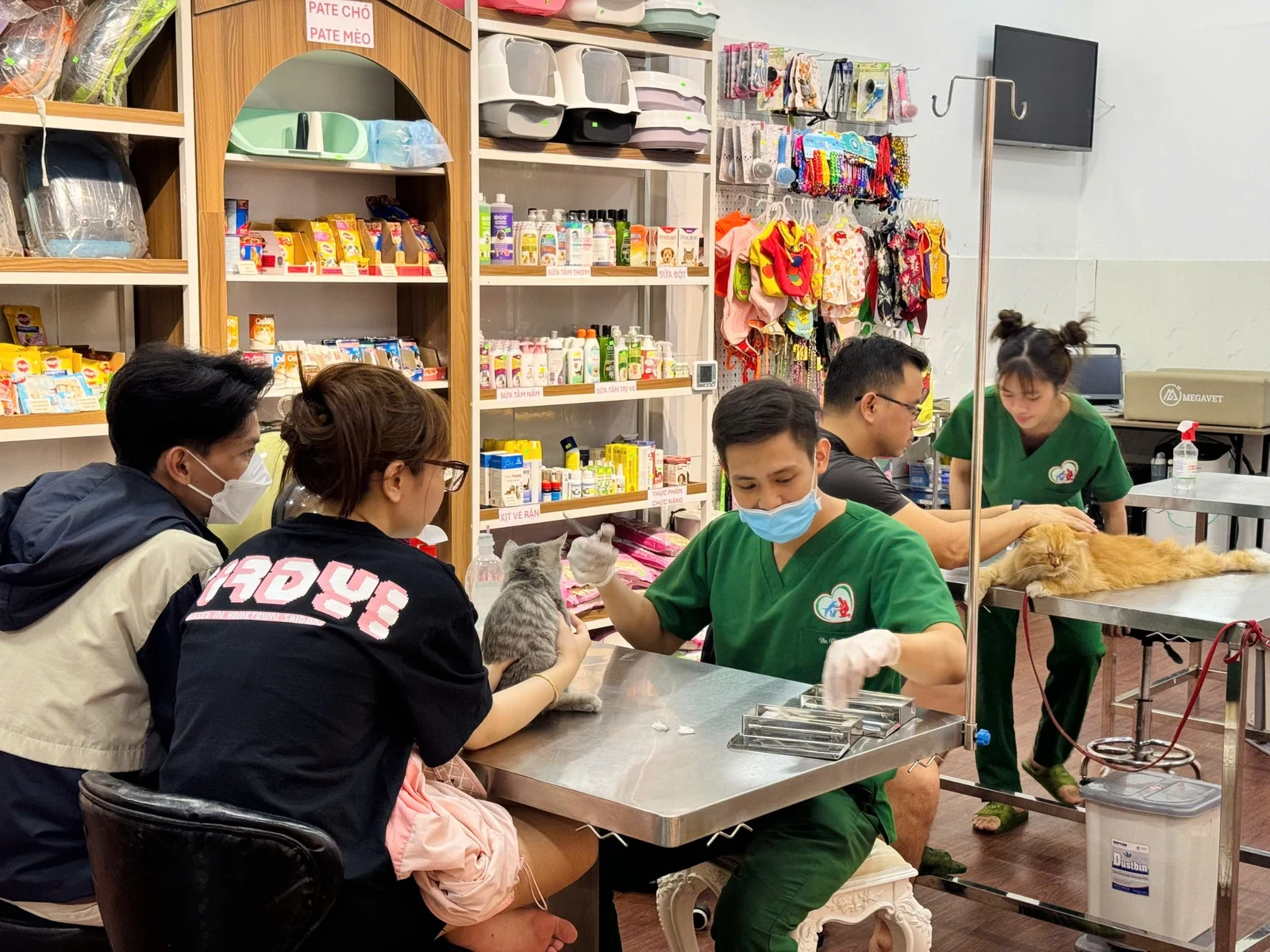
The veterinarian reviews vaccination records, examines your pet and chooses an appropriate schedule and vaccine. Recommendations vary between dogs and cats. Local disease risks, living conditions and vaccine labeling affect the decision. Follow the recommended dose and schedule for your pet.
Situations to discuss with the clinic
- A puppy’s schedule depends on its age, prior vaccinations and exposure risk. Maternal antibodies can interfere with the immune response, so the first dose alone may not protect your puppy.
- Indoor cats can still be exposed indirectly or need boarding. Assess vaccination needs based on age, underlying conditions and actual risk.
- The immune response takes time and may require finishing a series. Keep young animals out of high-risk settings immediately after the first dose.
- Rapid facial swelling, difficulty breathing, collapse or repeated vomiting after vaccination need immediate assessment. Seek care directly if these signs occur.
- Stable chronic disease and acute illness require different considerations. The veterinarian weighs the benefits, infection risk and your pet’s current condition before vaccinating.
How to prepare
Bring vaccination records, an approximate date of birth, details of previous reactions and a list of current medications. Report any signs of illness before the appointment. If you are preparing for boarding or travel, check the requirements early enough to complete the appropriate vaccination plan.
What to monitor and what to expect afterward
After vaccination, ask for the booster schedule, a record of the product given and monitoring instructions. Report unusual reactions and when they began. Continue hygiene and managing exposure, since a vaccination record does not rule out every infection.
Breathing difficulty, rapid facial swelling, collapse or repeated vomiting after vaccination need immediate assessment. Anyone bitten should contact a healthcare provider about rabies risk, even if the animal has a vaccination record.
Appointments, scope and costs
When booking, give your pet’s species, age and current condition, and explain what you want to discuss. The clinic confirms which services it can provide, what needs an in-person assessment and the estimated cost for your case. If your pet needs additional tests or care, ask about the purpose and how decisions will be made. If you are traveling from Bình Chánh, District 8 or Long An, send the records and confirm before you leave. Check the actual distance and travel conditions before setting out.
Book a visit and get guidance from DR.VET
The veterinary team at DR.VET helps you understand your pet’s condition and choose suitable care. Call 0907 675 123 with your pet’s species, age, main concern and what you need help with. The clinic is at 1391 Văn Tiến Dũng, Hamlet 5, Bình Hưng Commune, Ho Chi Minh City. Appointment times, what the clinic can provide and costs depend on the case. If you are traveling a long distance, call before you leave.
Further reading
These resources provide professional background. Your pet’s care plan should be based on its examination, medical history and circumstances. Consult the clinic before applying international guidelines to your pet or assuming a service is available.
Frequently asked questions
What should I prepare before contacting the clinic about vaccination?
Bring vaccination records, an approximate date of birth, details of previous reactions and a list of current medications. Report any signs of illness before the appointment. If you are preparing for boarding or travel, check the requirements early enough to complete the appropriate vaccination plan.
How does the clinic determine the cost?
The cost depends on your pet’s needs, the scope of care and what is included. During your consultation, ask what each charge is for, whether it covers medication or monitoring and how the clinic will ask for approval if more care is needed. Rates may differ from case to case.
What should I monitor after the visit?
After vaccination, ask for the booster schedule, a record of the product given and monitoring instructions. Report unusual reactions and when they began. Continue hygiene and managing exposure, since a vaccination record does not rule out every infection.
Articles about this service
Find articles that can help you prepare for a discussion with DR.VET.
- Tiêm phòng cho chó con: vì sao cần lịch riêng theo tuổi, hồ sơ và nguy cơ?
- Tiêm phòng cho mèo con: hồ sơ, xét nghiệm và thông tin cần mang khi khám
- Chó trưởng thành mất sổ tiêm: tìm hồ sơ, đánh giá nguy cơ và lập kế hoạch tiếp
- Mèo nuôi trong nhà có cần tư vấn vắc-xin? Hiểu nguy cơ và lịch riêng cho mèo
- Khám trước tiêm phòng chó, mèo: mục đích, thông tin cần báo và quyết định sau khám
- Chó, mèo ho hoặc tiêu chảy trước lịch tiêm: báo gì, khi nào cần khám ngay?
- Vắc-xin cốt lõi và theo nguy cơ ở chó, mèo: hiểu đúng để chọn phù hợp
- Tiêm phòng không tạo bảo vệ ngay: chó, mèo cần được theo dõi và quản lý tiếp xúc ra sao?
- Chó, mèo trễ mũi nhắc vắc-xin: có phải tiêm lại từ đầu và cần mang hồ sơ gì?
- Chó, mèo mới nhận hoặc cứu hộ: khám, rà vắc-xin và chuẩn bị trước khi hòa đàn
- Tiêm phòng trước khi gửi chó, mèo lưu trú: rà hồ sơ, nguy cơ và thời gian chuẩn bị
- Tiêm phòng trước chuyến đi cùng chó, mèo: rà hành trình, sức khỏe và hồ sơ
- Chó, mèo từng phản ứng sau vắc-xin: chuẩn bị hồ sơ và cân nhắc lần tiêm tiếp
- Theo dõi chó, mèo sau tiêm phòng: tại cơ sở, khi về nhà và lúc cần gọi bác sĩ
- Dấu hiệu khẩn sau tiêm phòng chó, mèo: khi nào cần tới cơ sở thú y ngay?
- Ghi nhận mũi tiêm phòng chó, mèo: đọc sổ, lưu sản phẩm và chuẩn bị hồ sơ liên tục
- Vắc-xin FeLV cho mèo: đánh giá tuổi, xét nghiệm và nguy cơ tiếp xúc trước khi chọn
- Tiêm phòng dại cho chó, mèo: cần hỏi gì về sản phẩm, hồ sơ và tình huống phơi nhiễm?
- Nhà nuôi nhiều chó, mèo: tổ chức lịch tiêm chung và đánh giá riêng từng con
- Tiêm phòng và phòng ký sinh trùng cho chó, mèo: hiểu đúng từng phần
- Chó, mèo có bệnh mạn tính: chọn thời điểm tiêm phòng theo từng bệnh nhân
- Chó, mèo đang dùng thuốc ảnh hưởng miễn dịch: chuẩn bị trước tư vấn vắc-xin
- Tiêm phòng trước phối giống, khi mang thai và cho con bú ở chó, mèo
- Chó giống nhỏ và chó giống lớn: lịch tiêm giống nhau khi nào, khác nhau vì sao?
- Mèo sợ khi đi tiêm: chuẩn bị lồng, hồ sơ và buổi khám an toàn
- Sau tiêm phòng, chó và mèo có cần kiêng mọi hoạt động không?
- Xét nghiệm kháng thể có thay lịch vắc-xin cho chó, mèo không?
- Hỏi chi phí tiêm phòng chó, mèo: hiểu đúng sản phẩm, số buổi và phần cần làm
- Nhắc lịch tiêm chó, mèo: tổ chức hồ sơ rõ cho từng con trong gia đình
- Đặt lịch tư vấn tiêm phòng chó, mèo tại PHÒNG KHÁM THÚ Y DRVET