

 Tiếng Việt
 한국어
 Русский
Inpatient care for dogs and cats
Inpatient care is for patients whose medical treatment and monitoring needs exceed what can be provided at home at that time. The level of support depends on the illness, the patient’s stability and the response to treatment. Hospitalization provides medical care beyond what is available through ordinary boarding.
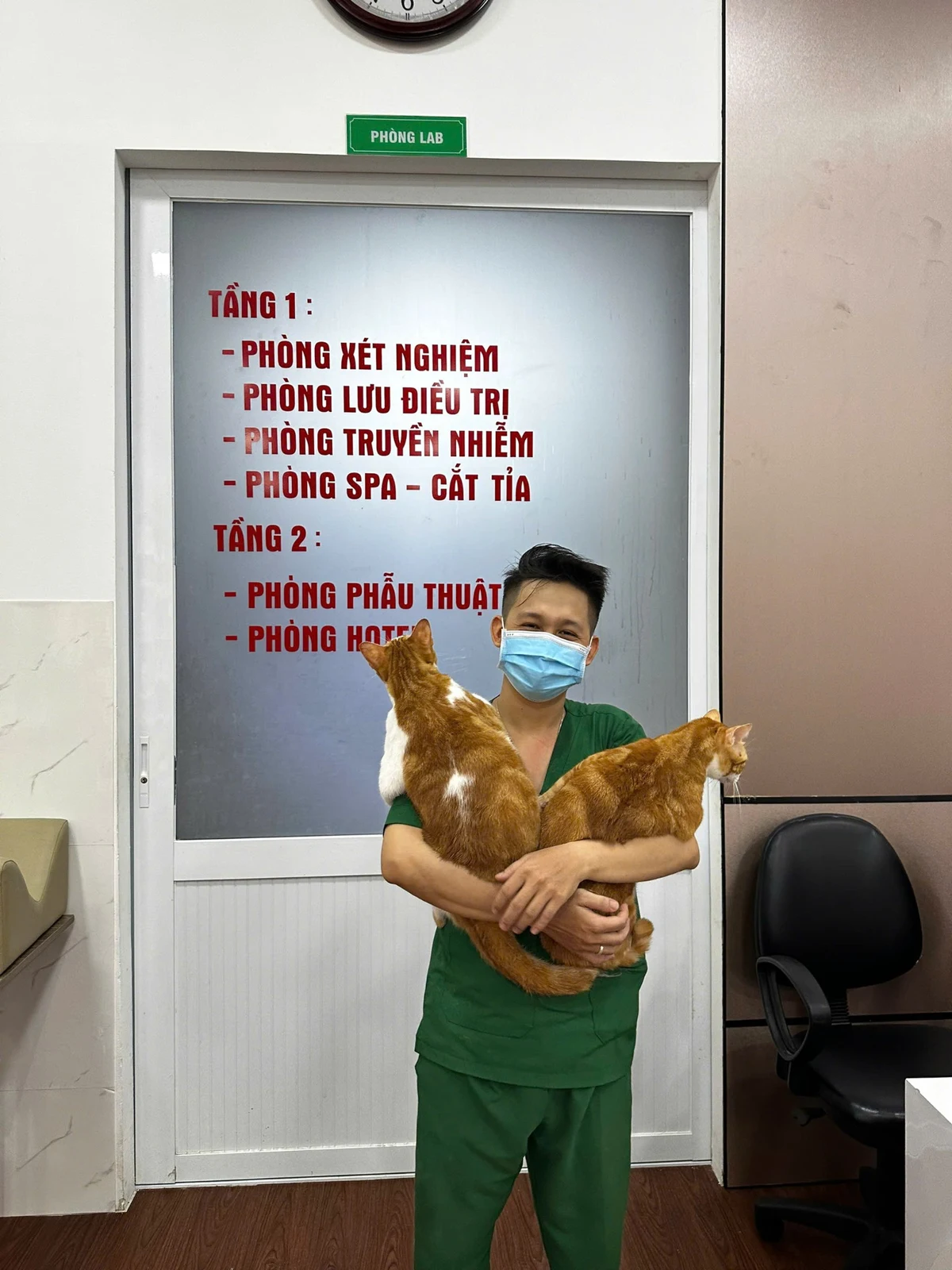
Purpose of the service and what to expect
Inpatient care is for patients whose medical treatment and monitoring needs exceed what can be provided at home at that time. The level of support depends on the illness, the patient’s stability and the response to treatment. Hospitalization provides medical care beyond what is available through ordinary boarding.
On admission, the clinical team identifies priorities, treatment goals and what to monitor. Medication, fluids, nutrition, testing and postoperative care are adjusted to the patient’s condition. Ask what the team has determined, what risks remain and when to expect an update.
Situations to discuss with the clinic
- Hospitalization may be needed when your pet is unstable or needs supportive treatment or close monitoring. The decision depends on the level of care needed as well as the diagnosis.
- Name a person authorized to discuss the case and make decisions, along with a backup number. Agreeing on who receives updates helps avoid mixed messages within the family.
- Fluid therapy must account for circulation, electrolytes, heart and kidney conditions, and urine output. The right amount depends on the patient’s needs.
- Discuss your budget early so the veterinarian can explain treatment priorities and options. Discuss what is possible before giving up important treatment so that you understand the risks.
- Discharge depends on medical stability and the ability to continue care at home. An estimated discharge date can change if your pet has yet to meet safety criteria.
How to prepare
Provide medical records, prescriptions, when medications were last given, feeding habits and any previous reactions. Identify the primary contact and a backup. Confirm how treatment consent works, expected costs and who will contact you if the plan changes.
What to monitor and what to expect afterward
Discharge is based on stability and the ability to continue care at home. Ask for medication, nutrition, activity and follow-up instructions. Keep a brief log of the signs your veterinarian wants you to track so you can see how your pet responds or recognize a recurrence.
Seek care immediately for breathing difficulties, fainting, inability to urinate, repeated vomiting or rapid weakness after discharge. Ask a veterinarian before reusing an old prescription.
Appointments, scope and costs
When booking, give your pet’s species, age and current condition, and explain what you want to discuss. The clinic confirms which services it can provide, what needs an in-person assessment and the estimated cost for your case. If your pet needs additional tests or care, ask about the purpose and how decisions will be made. If you are traveling from Bình Chánh, District 8 or Long An, send the records and confirm before you leave. Check the actual distance and travel conditions before setting out.
Book a visit and get guidance from DR.VET
The veterinary team at DR.VET helps you understand your pet’s condition and choose suitable care. Call 0907 675 123 with your pet’s species, age, main concern and what you need help with. The clinic is at 1391 Văn Tiến Dũng, Hamlet 5, Bình Hưng Commune, Ho Chi Minh City. Appointment times, what the clinic can provide and costs depend on the case. If you are traveling a long distance, call before you leave.
Further reading
These resources provide professional background. Your pet’s care plan should be based on its examination, medical history and circumstances. Consult the clinic before applying international guidelines to your pet or assuming a service is available.
Frequently asked questions
What should I prepare before contacting the clinic about inpatient care?
Provide medical records, prescriptions, when medications were last given, feeding habits and any previous reactions. Identify the primary contact and a backup. Confirm how treatment consent works, expected costs and who will contact you if the plan changes.
How does the clinic determine the cost?
The cost depends on your pet’s needs, the scope of care and what is included. During your consultation, ask what each charge is for, whether it covers medication or monitoring and how the clinic will ask for approval if more care is needed. Rates may differ from case to case.
What should I monitor after the visit?
Discharge is based on stability and the ability to continue care at home. Ask for medication, nutrition, activity and follow-up instructions. Keep a brief log of the signs your veterinarian wants you to track so you can see how your pet responds or recognize a recurrence.
Articles about this service
Find articles that can help you prepare for a discussion with DR.VET.
- Khi nào bác sĩ đề nghị chó mèo điều trị nội trú?
- Điều trị nội trú khác lưu trú thông thường
- Bàn giao hồ sơ khi nhập viện cho thú cưng
- Ai nên là người nhận cập nhật trong thời gian nội trú?
- Thống nhất mục tiêu trong ngày điều trị đầu
- Thông tin thói quen ăn có ích khi nhập viện
- Thú có phản ứng thuốc trước đây: báo khi bàn giao
- Theo dõi bệnh nhân truyền dịch: câu hỏi chủ nuôi nên hỏi
- Nội trú sau phẫu thuật: vì sao chưa nên đón ngay?
- Chăm sóc nội trú bệnh có nguy cơ lây
- Lịch thăm bệnh nhân: xác nhận trước khi đến
- Hình ảnh cập nhật không thay toàn bộ đánh giá bệnh
- Chi phí nội trú theo ngày cần hiểu thế nào?
- Khi kế hoạch điều trị nội trú cần điều chỉnh
- Ngân sách hạn chế: trao đổi thứ tự ưu tiên nội trú
- Đồ dùng mang theo khi thú cưng nhập viện
- Bệnh nhân mèo nhạy cảm với thay đổi môi trường
- Chó khó hợp tác trong thời gian nội trú
- Thuốc dùng ở nhà có tiếp tục khi nội trú không?
- Xét nghiệm lặp khi nội trú nhằm theo dõi điều gì?
- Tiêu chí xuất viện quan trọng hơn ngày dự kiến
- Chuẩn bị cuộc trao đổi trước khi đón xuất viện
- Đọc đơn xuất viện và lịch dùng thuốc
- Nhà cần sắp xếp gì sau một đợt nội trú?
- Ghi nhật ký sau xuất viện: tập trung dữ liệu nào?
- Tái khám sau nội trú khi thú đã hoạt bát hơn
- Tái xuất hiện triệu chứng sau xuất viện
- Chuyển bệnh nhân nội trú sang cơ sở phù hợp hơn
- Người đưa đón khác người chăm sau xuất viện
- Liên hệ DR.VET về khả năng tiếp nhận nội trú