

 Tiếng Việt
 한국어
 Русский
 简体中文
Spaying and neutering with a plan for care before and after surgery
Spaying or neutering is considered in light of species, sex, health and long-term care goals. Reproductive benefits are one part of the decision. Other diseases or behavioral concerns need their own assessment. The timing is determined individually after an evaluation.
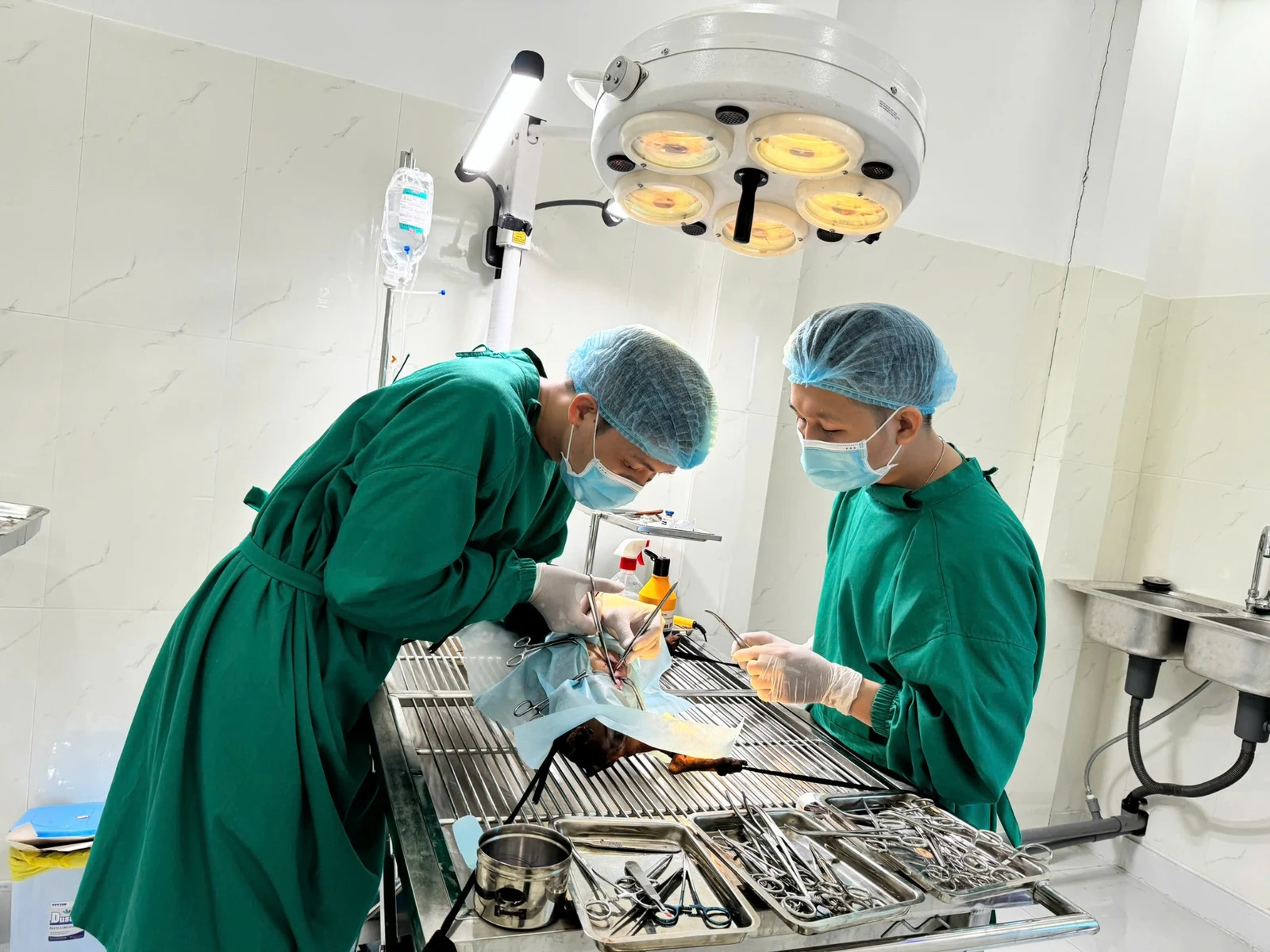
Purpose of the service and what to expect
Spaying or neutering is considered in light of species, sex, health and long-term care goals. Reproductive benefits are one part of the decision. Other diseases or behavioral concerns need their own assessment. The timing is determined individually after an evaluation.
The veterinarian explains the proposed procedure, anesthesia risks, pain management and recovery plan. Being in heat, pregnancy, nursing and an undescended testicle can change the approach. Agree on a plan before surgery that takes more than price or age into account.
Situations to discuss with the clinic
- Procedures in males and females involve different organs, incisions and aftercare. Ask what the procedure aims to achieve, how it will be done and what recovery will involve for your pet.
- Spaying or neutering may reduce some hormone-related behavior. Fear and learned habits need separate behavioral assessment.
- Older pets need assessment for underlying conditions and expected benefit. Consider age alongside the other factors that affect whether surgery is appropriate.
- Pain management is part of treatment, even if your pet is quiet. Give prescribed medication and report unusual signs. Never give human pain relievers without veterinary instruction.
- Keep a cat recovering from surgery away from chasing and licking by other pets. Keep interactions calm and monitor eating and litter box use separately.
How to prepare
Bring records, medication details and information on recent reproductive status. Ask for specific food and water instructions. Prepare a quiet space where your pet cannot jump, suitable transportation and the right incision protection. Ask the veterinarian before giving contraceptives or pain medication.
What to monitor and what to expect afterward
Monitor the incision, alertness, food intake and elimination. Follow prescriptions and instructions for preventing licking and strenuous activity. After recovery, reassess diet and body condition to reduce the risk of excess body fat and continue the necessary preventive care.
Contact the clinic promptly for difficulty breathing, increasing unresponsiveness, continued bleeding, worsening abdominal pain or an open incision. Seek care before the planned follow-up if signs are severe.
Appointments, scope and costs
When booking, give your pet’s species, age and current condition, and explain what you want to discuss. The clinic confirms which services it can provide, what needs an in-person assessment and the estimated cost for your case. If your pet needs additional tests or care, ask about the purpose and how decisions will be made. If you are traveling from Bình Chánh, District 8 or Long An, send the records and confirm before you leave. Check the actual distance and travel conditions before setting out.
Book a visit and get guidance from DR.VET
The veterinary team at DR.VET helps you understand your pet’s condition and choose suitable care. Call 0907 675 123 with your pet’s species, age, main concern and what you need help with. The clinic is at 1391 Văn Tiến Dũng, Hamlet 5, Bình Hưng Commune, Ho Chi Minh City. Appointment times, what the clinic can provide and costs depend on the case. If you are traveling a long distance, call before you leave.
Further reading
These resources provide professional background. Your pet’s care plan should be based on its examination, medical history and circumstances. Consult the clinic before applying international guidelines to your pet or assuming a service is available.
Frequently asked questions
What should I prepare before contacting the clinic about spaying or neutering?
Bring records, medication details and information on recent reproductive status. Ask for specific food and water instructions. Prepare a quiet space where your pet cannot jump, suitable transportation and the right incision protection. Ask the veterinarian before giving contraceptives or pain medication.
How does the clinic determine the cost?
The cost depends on your pet’s needs, the scope of care and what is included. During your consultation, ask what each charge is for, whether it covers medication or monitoring and how the clinic will ask for approval if more care is needed. Rates may differ from case to case.
What should I monitor after the visit?
Monitor the incision, alertness, food intake and elimination. Follow prescriptions and instructions for preventing licking and strenuous activity. After recovery, reassess diet and body condition to reduce the risk of excess body fat and continue the necessary preventive care.
Articles about this service
Find articles that can help you prepare for a discussion with DR.VET.
- Thiến chó đực: chỉ định, giới hạn và chăm sóc sau phẫu thuật
- Chó có tinh hoàn ẩn: vì sao thiến cần đánh giá vị trí và phạm vi khác?
- Khi nào nên thiến chó đực? Cân nhắc giống, tăng trưởng và nhu cầu quản lý
- Chó sau thiến vẫn đánh dấu hoặc kích động: đánh giá hành vi và bệnh đi kèm
- Triệt sản chó cái: hiểu cắt buồng trứng, tử cung và mục tiêu phòng bệnh
- Chó cái đang động dục hoặc nghi mang thai có triệt sản được không?
- Triệt sản chó cái thừa cân: đánh giá nguy cơ và theo dõi thể trạng
- Thiến mèo đực: chuẩn bị, giảm stress và theo dõi tại nhà nhiều mèo
- Triệt sản mèo cái: chọn thời điểm và chuẩn bị theo sức khỏe
- Mèo cái đang nuôi con có triệt sản được không? Chuẩn bị cho mẹ và đàn
- Mèo sau triệt sản ăn ít hoặc liếm vết mổ: khi nào cần liên hệ?
- Thiến và triệt sản chó mèo ở đâu? Xác nhận phạm vi, chi phí và chăm sau mổ
- Triệt sản chó đực và chó cái: khác biệt kỹ thuật, mục tiêu và chăm sóc
- Triệt sản mèo đực và mèo cái: chuẩn bị, khác biệt và hồi phục
- Thời điểm triệt sản chó mèo: vì sao tuổi chưa đủ để quyết định?
- Triệt sản có làm chó mèo hiền hơn? Lợi ích và giới hạn với hành vi
- Chó mèo đang động dục trước lịch triệt sản: cần báo và cân nhắc gì?
- Nghi mang thai trước triệt sản chó mèo: đánh giá và trao đổi minh bạch
- Chó mèo đang nuôi con: tư vấn triệt sản, sữa mẹ và chăm đàn non
- Triệt sản chó mèo lớn tuổi: đánh giá sức khỏe, lợi ích và hồi phục
- Chó mèo thừa cân trước triệt sản: đánh giá, chuẩn bị và theo dõi
- Không thấy đủ tinh hoàn ở chó mèo đực: đánh giá tinh hoàn ẩn và kế hoạch mổ
- Mang thuốc và hồ sơ đến tư vấn triệt sản chó mèo: chuẩn bị thông tin hữu ích
- Nhịn ăn trước triệt sản chó mèo: nhận hướng dẫn riêng về thức ăn, nước và thuốc
- Tắm và vệ sinh trước triệt sản chó mèo: sạch, khô và bảo vệ da đúng cách
- Chuẩn bị nhà đón chó mèo vừa triệt sản: nghỉ, vệ sinh, thuốc và theo dõi
- Kiểm soát đau sau triệt sản chó mèo: nhận diện, thuốc và theo dõi an toàn
- Chống liếm sau triệt sản chó mèo: chọn vòng hoặc áo vừa và hiệu quả
- Theo dõi vết mổ triệt sản ở chó, mèo từng ngày: dấu hiệu cần khám
- Ăn uống sau triệt sản chó mèo: đủ tỉnh mới cho ăn, không ép khi lơ mơ
- Chó mèo ít hoạt động sau triệt sản: phân biệt nghỉ, đau và dấu hiệu cần khám
- Thuốc sau triệt sản chó mèo: sắp lịch, đối chiếu và tránh nhầm
- Nhà nhiều mèo: tách mèo vừa triệt sản, theo dõi và tiếp xúc lại phù hợp
- Kiểm tra sau triệt sản chó mèo: đánh giá hồi phục, không chỉ cắt chỉ
- Quản lý khẩu phần sau triệt sản chó mèo: đủ dưỡng chất, tránh tăng mỡ
- Triệt sản có thay phòng bệnh và khám định kỳ cho chó mèo không?
- Triệt sản có chữa mọi vấn đề đi vệ sinh sai chỗ không?
- Sau triệt sản vẫn có dấu hiệu giống động dục
- Chi phí triệt sản: hỏi rõ phần được bao gồm
- Chuẩn bị chuyến đi triệt sản cho khách ở xa
- Vì sao không tự dùng thuốc ngừa thai thay tư vấn triệt sản?
- Tư vấn triệt sản tại DR.VET: những câu hỏi nên mang theo