

 Tiếng Việt
 한국어
 Русский
 简体中文
Laboratory tests for diagnosis and treatment monitoring
Laboratory tests help when they answer a specific question about your pet’s condition. Each measurement has a purpose and limitations. Tests are selected for the conditions under consideration. Interpret results alongside symptoms, examination findings and the circumstances of sample collection.
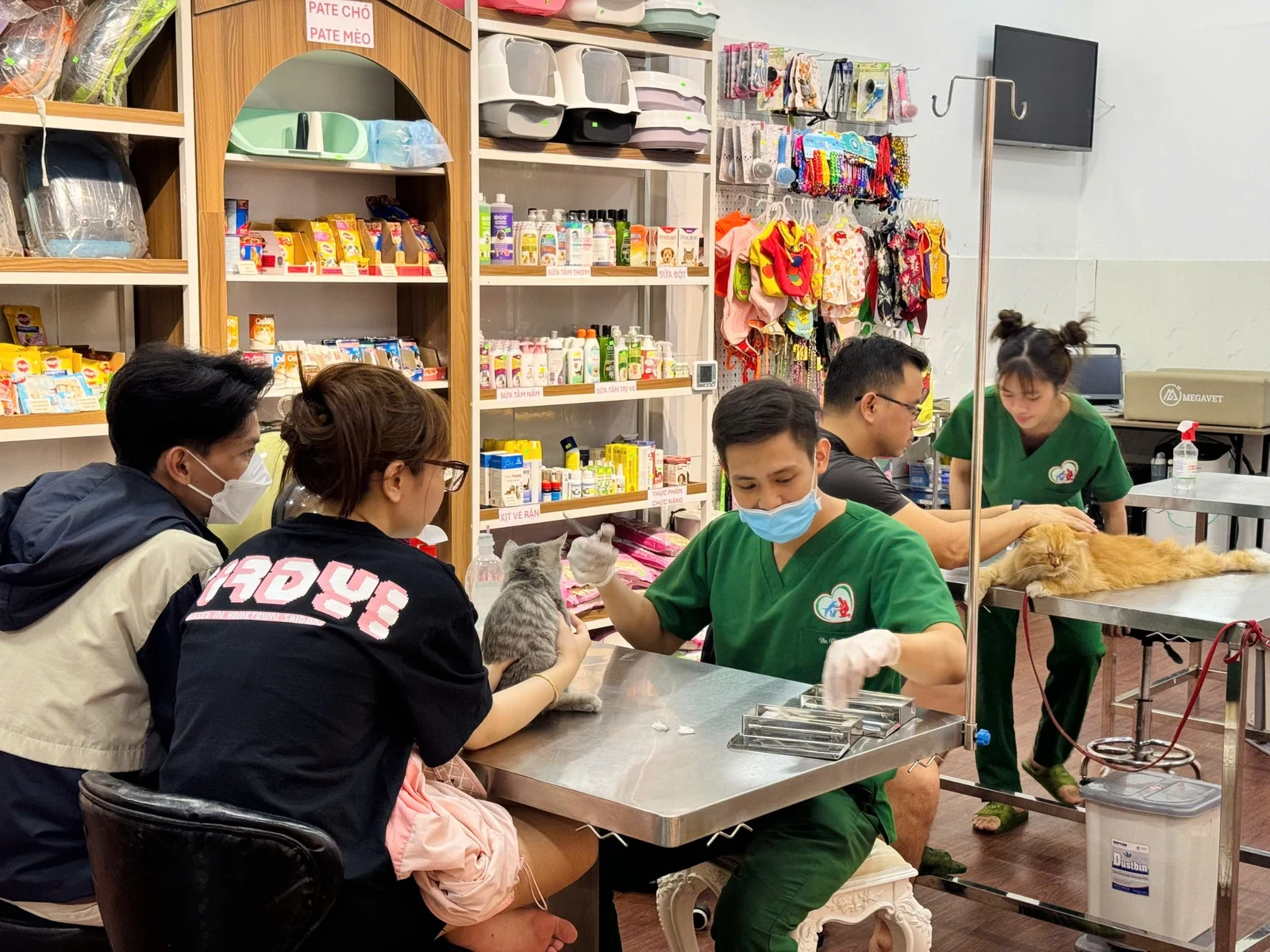
Purpose of the service and what to expect
Laboratory tests help when they answer a specific question about your pet’s condition. Each measurement has a purpose and limitations. Tests are selected for the conditions under consideration. Interpret results alongside symptoms, examination findings and the circumstances of sample collection.
The veterinarian chooses the sample type, measurements and timing, then interprets the results in the context of your pet’s overall condition. An abnormal value may need rechecking. A result within the reference range can still leave the current problem unexplained.
Situations to discuss with the clinic
- Screening checks for abnormalities in pets that appear healthy. Symptom-based testing answers specific questions, so test selections vary from patient to patient.
- Eating affects some measurements, but fasting may be risky for young animals or those with diabetes. Ask for instructions based on the test and your pet’s medications.
- Rapid tests and PCR detect different targets. Sensitivity varies by disease and when the sample is taken. The appropriate test depends on the case, even when a newer or more expensive option exists.
- One normal result leaves many causes of lethargy untested. The veterinarian may adjust testing based on how symptoms develop and what a repeat examination shows.
- Antimicrobial susceptibility testing informs the veterinarian’s drug choice alongside the site of infection, appropriate dosing and organ function. Ask the veterinarian to interpret the report before buying or changing medication.
How to prepare
Bring original results with the dates, units and reference ranges, and a list of medications given. Ask about food and water instructions, how to collect a sample if permitted, and how to store it. Ask before stopping medication or using a sample container, since both can affect result quality.
What to monitor and what to expect afterward
When you receive results, ask what they show, what remains uncertain and what comes next. Note when repeat testing is due if your pet has a chronic condition or takes long-term medication. Ask the veterinarian about flagged values or bacteria listed on the report before obtaining medication.
Breathing difficulties, unresponsiveness, inability to urinate or seizures require urgent assessment. Stabilizing the patient takes priority over scheduling a test and waiting for the results.
Appointments, scope and costs
When booking, give your pet’s species, age and current condition, and explain what you want to discuss. The clinic confirms which services it can provide, what needs an in-person assessment and the estimated cost for your case. If your pet needs additional tests or care, ask about the purpose and how decisions will be made. If you are traveling from Bình Chánh, District 8 or Long An, send the records and confirm before you leave. Check the actual distance and travel conditions before setting out.
Book a visit and get guidance from DR.VET
The veterinary team at DR.VET helps you understand your pet’s condition and choose suitable care. Call 0907 675 123 with your pet’s species, age, main concern and what you need help with. The clinic is at 1391 Văn Tiến Dũng, Hamlet 5, Bình Hưng Commune, Ho Chi Minh City. Appointment times, what the clinic can provide and costs depend on the case. If you are traveling a long distance, call before you leave.
Further reading
These resources provide professional background. Your pet’s care plan should be based on its examination, medical history and circumstances. Consult the clinic before applying international guidelines to your pet or assuming a service is available.
Frequently asked questions
What should I prepare before contacting the clinic about laboratory testing?
Bring original results with the dates, units and reference ranges, and a list of medications given. Ask about food and water instructions, how to collect a sample if permitted, and how to store it. Ask before stopping medication or using a sample container, since both can affect result quality.
How does the clinic determine the cost?
The cost depends on your pet’s needs, the scope of care and what is included. During your consultation, ask what each charge is for, whether it covers medication or monitoring and how the clinic will ask for approval if more care is needed. Rates may differ from case to case.
What should I monitor after the visit?
When you receive results, ask what they show, what remains uncertain and what comes next. Note when repeat testing is due if your pet has a chronic condition or takes long-term medication. Ask the veterinarian about flagged values or bacteria listed on the report before obtaining medication.
Articles about this service
Find articles that can help you prepare for a discussion with DR.VET.
- Ký sinh trùng máu ở chó mèo: hiểu tên tác nhân và lựa chọn xét nghiệm
- Chó nghi Babesia: PCR, phân loại tác nhân và theo dõi thiếu máu
- Chó giảm tiểu cầu hoặc test Ehrlichia dương tính: diễn giải theo bệnh cảnh
- Anaplasma và Ehrlichia ở chó: phân biệt xét nghiệm và khả năng đồng nhiễm
- Mèo nghi hemoplasma: PCR, thiếu máu và giới hạn của lam máu
- Chó mèo thiếu máu nặng nghi bệnh truyền qua máu: cấp cứu và theo dõi
- Xét nghiệm chó, mèo theo triệu chứng và sàng lọc: chọn theo câu hỏi cần trả lời
- Công thức máu ở chó, mèo: hiểu các dòng tế bào và giới hạn kết quả
- Sinh hóa máu và công thức máu chó, mèo: hai nhóm xét nghiệm bổ sung nhau
- Nhịn ăn trước xét nghiệm chó, mèo: hỏi theo phép đo và tình trạng bệnh
- Lấy mẫu phân chó, mèo để xét nghiệm: xác nhận cách lấy và bảo quản
- Lấy nước tiểu chó, mèo tại nhà: mẫu tự hứng dùng được cho xét nghiệm nào?
- Xét nghiệm ký sinh trùng chó, mèo âm tính: khi nào chưa đủ để loại trừ?
- Test nhanh và PCR ở chó, mèo: chọn theo mục tiêu, mẫu và thời điểm
- Xét nghiệm kháng thể và tìm tác nhân ở chó, mèo: hiểu kết quả khác nhau
- Thuốc đang dùng ảnh hưởng xét nghiệm chó, mèo: thông tin cần bàn giao
- Căng thẳng khi lấy máu chó, mèo: báo gì để diễn giải kết quả đúng?
- Vì sao xét nghiệm chó, mèo cần kiểm tra lại? Hiểu mục tiêu lần lấy tiếp
- So sánh xét nghiệm chó, mèo qua hai thời điểm: cần những dữ liệu nào?
- Khoảng tham chiếu xét nghiệm chó, mèo: hiểu đúng giá trị trong và ngoài khoảng
- Xét nghiệm bình thường nhưng chó, mèo vẫn mệt: đánh giá tiếp dựa vào điều gì?
- Xét nghiệm trước mổ chó, mèo: mục tiêu đánh giá nguy cơ và chuẩn bị an toàn
- Xét nghiệm khi chó, mèo dùng thuốc dài ngày: theo dõi lợi ích và an toàn
- Đường huyết ở mèo: đọc cùng triệu chứng, stress và điều kiện lấy mẫu
- Đánh giá thận chó, mèo: kết hợp xu hướng, nước tiểu và tình trạng bệnh
- Khi nào cần nuôi cấy vi khuẩn ở chó, mèo? Chọn mẫu và diễn giải đúng
- Kháng sinh đồ chó, mèo: hỗ trợ bác sĩ chọn thuốc theo bệnh cảnh
- Tế bào học và mô bệnh học chó, mèo: khác mẫu, thông tin và giới hạn
- Mẫu máu chó, mèo bị vỡ hồng cầu hoặc đông: khi nào cần lấy lại?
- Xét nghiệm chó, mèo theo chỉ định nơi khác: chuẩn bị và bàn giao kết quả
- Xét nghiệm nội tiết chó, mèo: vì sao thời điểm và quy trình quan trọng?
- Chờ kết quả xét nghiệm chó, mèo: thời gian phụ thuộc những bước nào?
- Lưu kết quả xét nghiệm chó, mèo: hồ sơ đầy đủ cho những lần khám sau
- Chi phí xét nghiệm chó, mèo: trao đổi theo mục tiêu và thứ tự ưu tiên
- Nhận kết quả xét nghiệm chó, mèo: câu hỏi giúp hiểu và làm đúng bước tiếp
- Chuẩn bị chó, mèo cho buổi lấy mẫu: hồ sơ, lịch thuốc và cách di chuyển